
-
Valpolicella Classico 2021
Vendor:UgoliniRegular price $27Regular priceUnit price per -
Valpolicella Superiore 2018
Vendor:UgoliniRegular price $37Regular priceUnit price per -
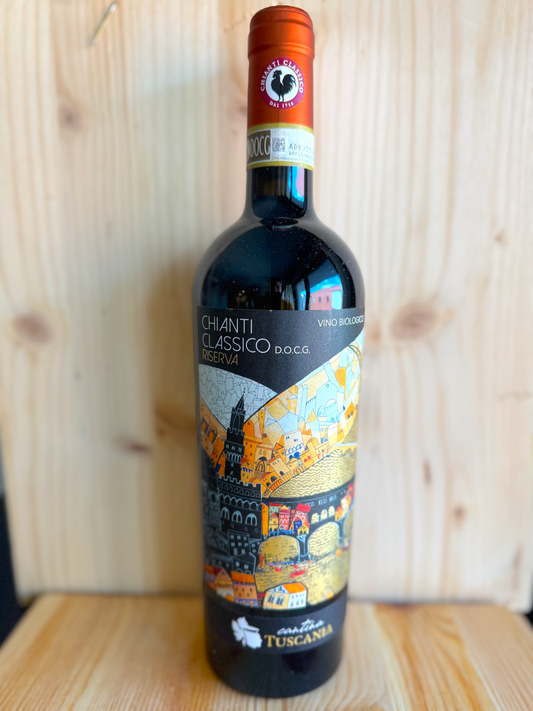
Chianti Classico Riserva 2019
Vendor:Cantina TuscaniaRegular price $45Regular priceUnit price per -
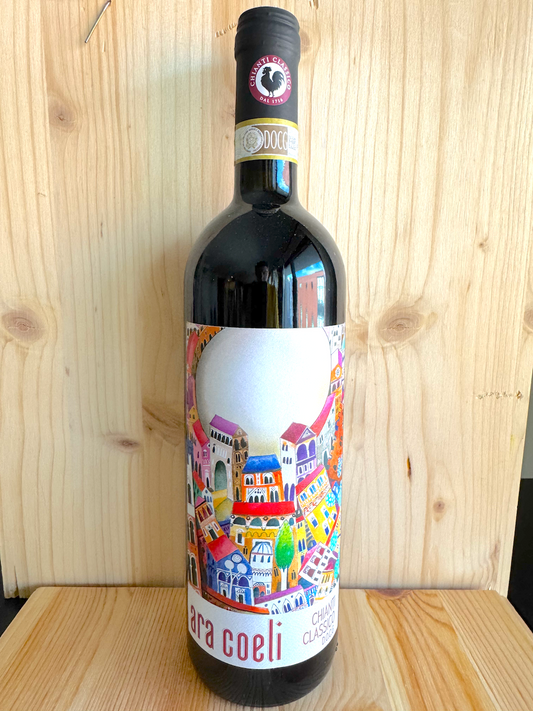
Chianti Classico 2017
Vendor:Cantina TuscaniaRegular price $25Regular priceUnit price per -
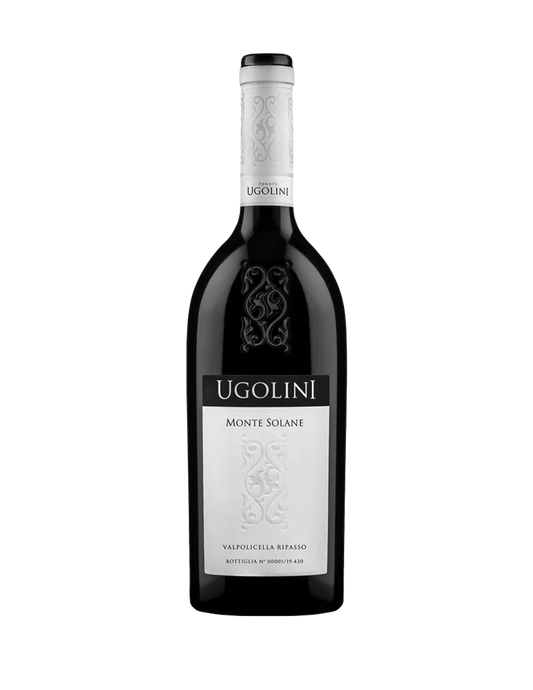
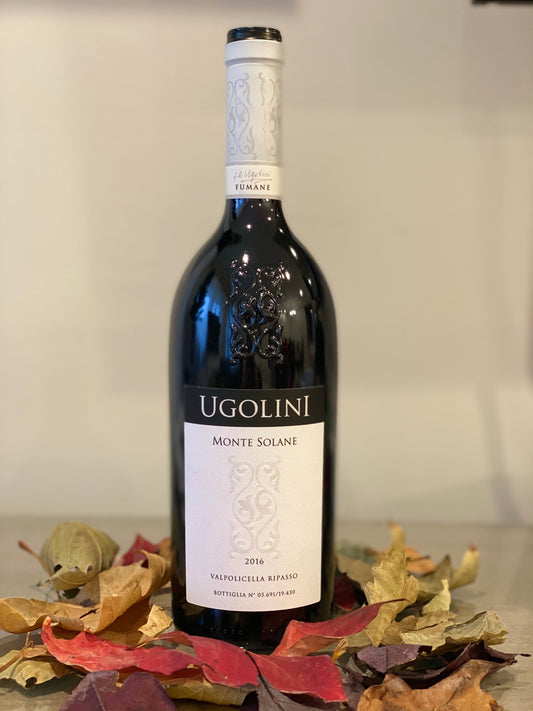
Valpolicella Ripasso 2020
Vendor:UgoliniRegular price $47Regular priceUnit price per -
Chianti 2024
Vendor:Cantina TuscaniaRegular price $23Regular priceUnit price per -
Amarone Single Vineyard 2016
Vendor:UgoliniRegular price $127Regular priceUnit price per -
Valpolicella Grand Cru 2013
Vendor:UgoliniRegular price $297Regular priceUnit price per -
Valpolicella Superiore Grand Cru 2015
Vendor:UgoliniRegular price $247Regular priceUnit price per




Organic Wine from Italy
What is organic wine?
Organic wine comes from grapes grown without synthetic pesticides, herbicides, or chemical fertilizers. Farmers keep the soil healthy through composting, cover crops, and biological pest control instead of chemical treatments. An independent certifier inspects the vineyard every year to verify the practices.
Is organic wine the same as natural wine?
No, they're related but not the same thing. Organic certification is about how the grapes are farmed. Natural wine is about how the wine is made in the cellar, with native yeast and minimal intervention. Many natural winemakers also farm organically, but a wine can be certified organic without being natural, and vice versa.
Does organic wine have sulfites?
Yes, in most cases. Under EU organic rules, winemakers can still add a small, capped amount of sulfites, just well below the limit allowed in conventional wine. This keeps the wine stable and able to age. USDA organic wine works differently: it bans added sulfites entirely, which is why true USDA organic wine is rarer and often more fragile.
What's the difference between EU certified organic and USDA certified organic wine?
EU organic certification covers both the vineyard and the winemaking, and allows limited added sulfites. USDA organic certification requires zero added sulfites, which is a much stricter standard that few producers can meet consistently. A wine labeled "made with organic grapes" under USDA rules only certifies the farming, not the winemaking, which is closer to what EU certification covers as standard.
Does organic wine taste different from conventional wine?
It can, though the differences come from farming quality rather than the organic label itself. Grapes grown without synthetic inputs often show cleaner, more distinct fruit character. The biggest factor is still the producer, so a well-made organic wine should hold up against any conventional bottle in a blind tasting.
How do I know a wine is really certified organic?
Look for a certification mark on the label, such as the EU organic leaf logo, and check that the certifying body is named. Certification requires annual inspection, so a legitimate organic wine can point to who verified it and when.
Explore More Wine Collections
-

Fresh. Elegant. Nuanced.
For the composed, observant, quietly confident drinker who values precision, freshness, and...
-

Fruity. Lively. Aromatic.
For the energetic, curious, socially fluent drinker who enjoys fragrance, movement, and...
-

Deep. Expansive. Meditative.
For the decisive, provocative, deeply present person drawn to structure, depth, and...
-

Natural Wine
Low-intervention wines made with native yeasts and minimal additives — farmed and...
-
Italian Red Wine
Italian red wines are widely praised as some of the best in...
-

Italian White Wine
The world of Italian white wines is vast and profound. Italy has...


