
Best Italian Wine Under $30
(Last updated August 2026). No mass production, no shortcuts. Every wine here is chosen because the winemaker lives in the vineyard. Mass producers machine-harvest and doctor the wine in the cellar. I only import from people who hand-pick their own grapes and drink their own wine. Every bottle here comes in under $30 and earns its place because when I tasted it, it surprised my palate, and surpassed my expectations.
You don't need to spend $50+ to drink well — you need to know where to look. That's the whole job.

-
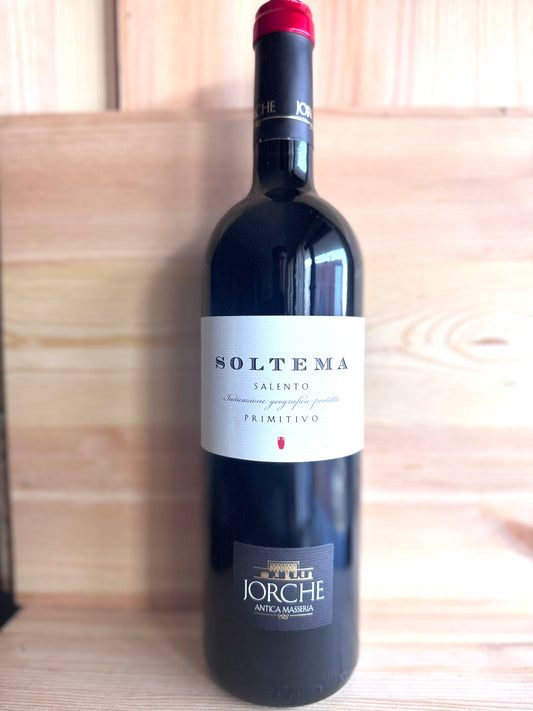
Primitivo Salento 2023
Vendor:JorcheRegular price $21Regular priceUnit price per -
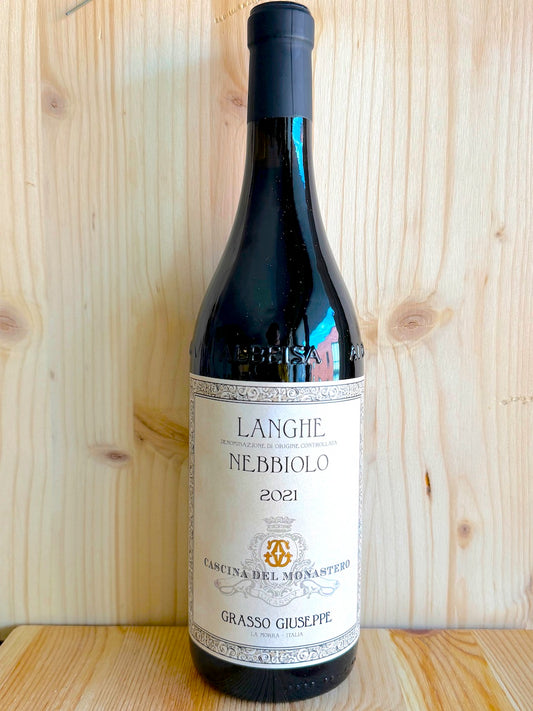
Nebbiolo Langhe 2021
Vendor:Cascina del MonasteroRegular price $29Regular priceUnit price per -
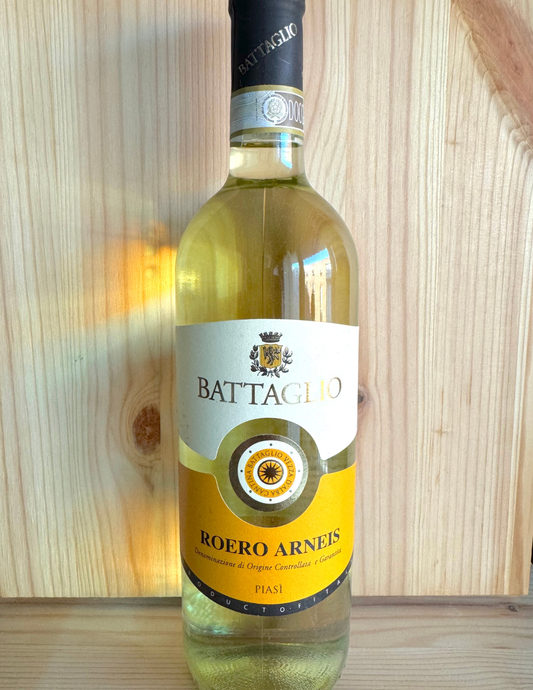
Arneis 2025
Vendor:BattaglioRegular price $25Regular priceUnit price per -
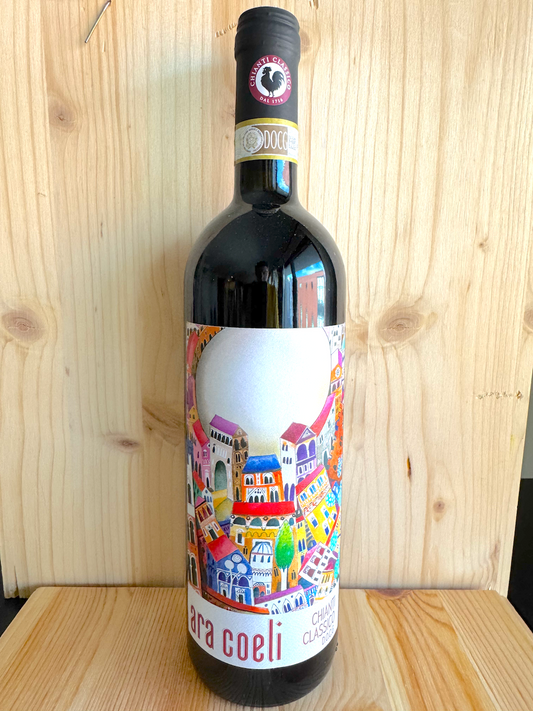
Chianti Classico 2017
Vendor:Cantina TuscaniaRegular price $25Regular priceUnit price per -
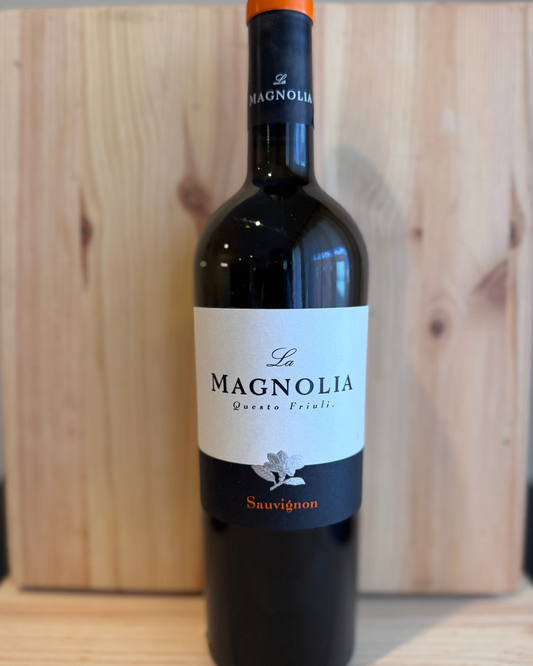
Sauvignon Blanc 2024
Vendor:La MagnoliaRegular price $22Regular priceUnit price per





FAQ
What's the best Italian red wine under $30?
The best way to look at it, is to find wines that are not in the generic liquor stores. You know what those are. They carry all the typical brands and you're paying for their advertising and marketing budgets in each bottle. Look for small production, small batch, artisan winemakers from Italy that hand harvest grapes from low yielding vines. I've done the dirty work for you.
Is Italian wine under $30 actually good quality?
Italy is actually one of the few places on earth where you can find quality wines under $30 and the reason is simple. The work ethic in the small artisan vineyards is all about family and friendship and so a lot of people help out because it's a community activity. They love being under the sun they love working with their family and friends, and they're just more careful with their costs, and that value gets passed on to you.
What Italian white wines are good value under $30?
The problem is that I could tell you that vermintino from Sardinia, for example, is a good value white wine, but it really depends on who makes it and where the Vineyard is located. It's very likely that you could find on this website for example, an artisanal Vermentino that you love and then, when you go to a generic store in your area and buy a different Vermentino from a different producer that you're gonna think, "oh, I don't like this wine. I must not like Vermentino." Don't forget to stick with the artisan versions. Just because you don't like the mass produced version doesn't mean you don't like the grape. It means you don't like the winery and you don't like their vineyard. It really depends on who makes it and where the Vineyard is located.
What makes these wines different from mass-market Italian wine brands?
It's very important who makes the wine and where the vineyard is located and how they make the wine. It really comes down to origin, craft, and culture. Something that I'm always talking about. The origin is the Vineyard. The craft is how it's made; the culture is about the people who make the wine. The artisan hand harvests and selects the best grapes at the perfect moment of maturity. They live in their vineyards. They drink their own wine. They share their wine with family and friends. Mass producers machine-harvest at the same time, picking the ripe, unripe, rotten, and insects along with it. Mass producers intervene with the wine in the cellar like plastic surgery. Adding and subtracting components and artificial additives. They spend heavily on marketing and advertising and give you the sense that because their wines are everywhere, that they must be good. But you're paying for that advertising budget, not the wine. Stick with artisan Italian wine under 30 dollars and you'll be drinking like royalty. That's the big secret.